


 Sale
Sale
Original Price
$389.99
Current Price
$359.99
Dog training collars and remote e-collars for everyday obedience, puppies, hunting and field work, plus bark collars and GPS tracking collars. We carry Dogtra, SportDOG, E-Collar Technologies and PetSafe, with remote ranges from 100 yards to about 1.5 miles and GPS models that track up to 9 miles. Remote trainers start around $130, most single-dog systems run about $190 to $430, two-dog systems reach about $570, and bark collars start under $50.
Choose by what you're training for, how far your dog works from you, and whether you want tone, vibration or adjustable static stimulation. Training more than one dog? Look for a two-dog system or an expandable model that accepts an add-a-dog receiver. Already have a system? Shop receivers, transmitters, chargers and parts.
 Bark collars
13 options
Bark collars
13 options
 GPS + training collars
8 options
GPS + training collars
8 options
 Vibration collars
17 options
Vibration collars
17 options
 Waterproof / hunting
29 options
Waterproof / hunting
29 options
 E-Collar Technologies
11 options
E-Collar Technologies
11 options
 Dogtra
43 options
Dogtra
43 options
 SportDOG
30 options
SportDOG
30 options
 Receivers & parts
33 options
Sale
Receivers & parts
33 options
Sale
 Sale
Sale
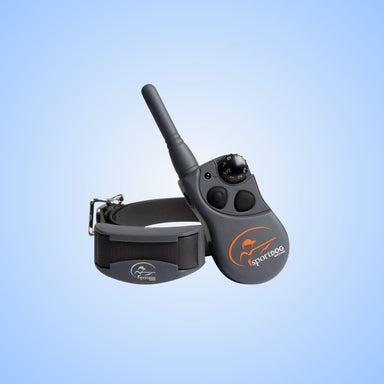
Take Control with the SportDOG Sporthunter X-Series 800 Yard Dog Remote Trainer Unleash the Power of Communication Are you ready to take your dog t...
View full details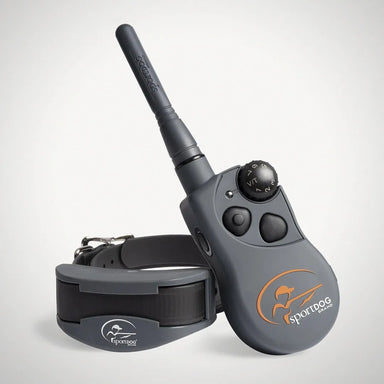
 Sale
Sale
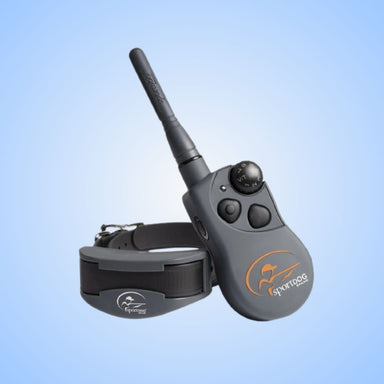
Achieve Training Excellence with SportDOG Remote Trainer Enhance Your Dog's Training Experience The SportDOG SportHunter X-Series 3/4 Mile Dog Remo...
View full details
 Sale
Sale

 Sale
Sale

 Sale
Sale

 Sale
Sale
 Sale
Sale
The Safe and Effective Vibrating Dog Collar Safe and Effective Training The PG-302 vibrating dog collar provides safe and effective training for yo...
View full details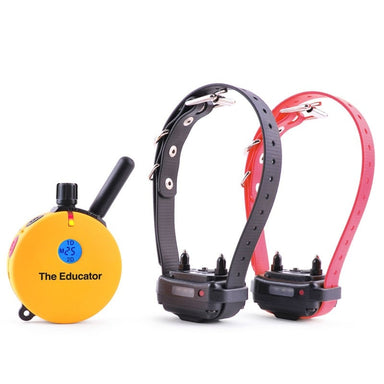 Sale
Sale
The Most Innovative Two Dog Training System Train Two Dogs at Once With the ET-402, you can train two dogs simultaneously, saving you time and effo...
View full details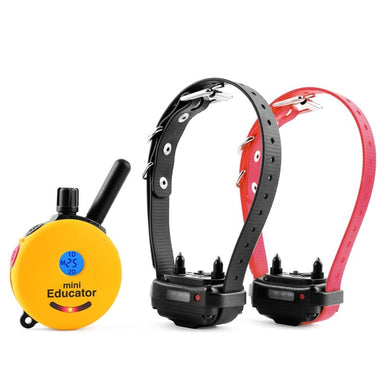 Sale
Sale
Train Two Dogs Simultaneously with ET-302 Mini Educator Train Two Dogs with Ease The ET-302 Mini Educator is the perfect solution for dog owners wi...
View full details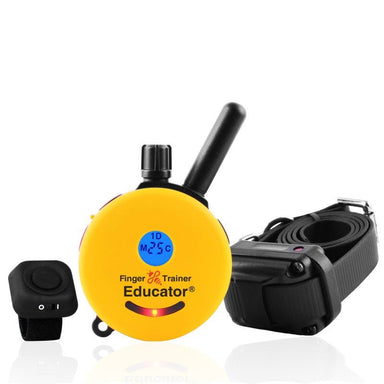 Sale
Sale
Train Your Dog with Ease and Convenience Advanced Features for Effective Training The FT-330 Finger Trainer Educator® 1/2 Mile Remote E-Collar offe...
View full details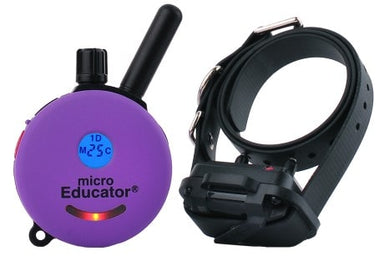 Sale
Sale
Efficient and Effective Training and a Perfect Fit for Small Dogs Perfect Fit for Very Small Dogs The RX-070 Micro Receiver is a smaller, lighter v...
View full details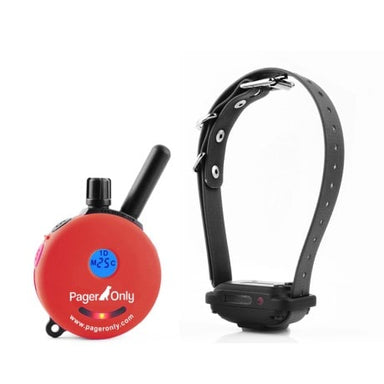 Sale
Sale
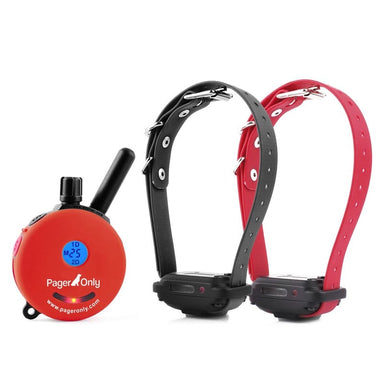
Quality Design for Your Canine Companion A Distinct and Effective Communication Tool The Educator PG-300 Pager Only Vibration Remote Trainer is the...
View full details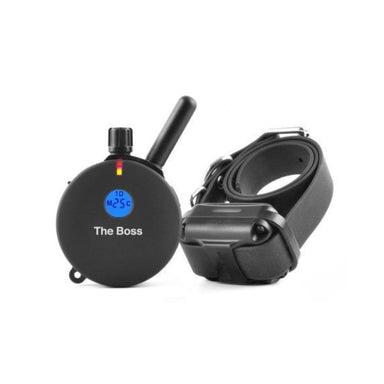 Sale
Sale
Unleash the Power of Training with ET-800 Remote E-Collar Train Your Dog with Confidence The ET-800 Remote E-Collar, also known as "The Boss," is t...
View full details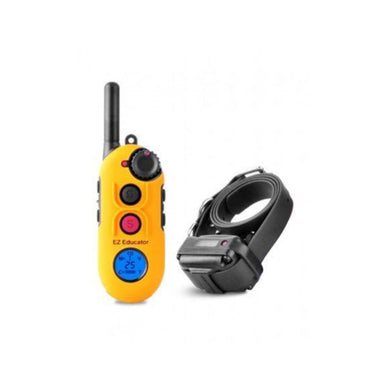 Sale
Sale
Transform Your Dog into a Prodigy with EZ 900 Safety and Efficiency The EZ 900 Easy Educator is designed with safety at the forefront, featuring in...
View full details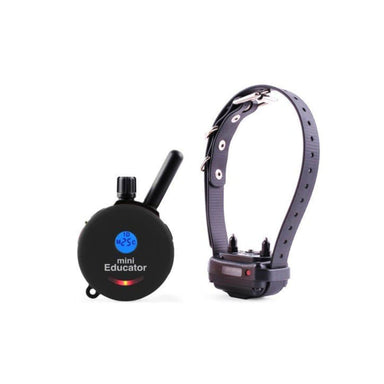
 Sale
Sale
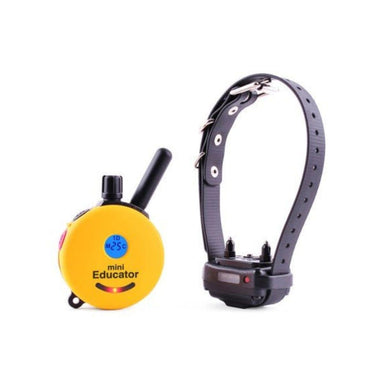
Experience the Best in Humane Dog Training with the ET-300 Mini Educator Unlock your dog's potential with the ET-300 Mini Educator The ultimate too...
View full details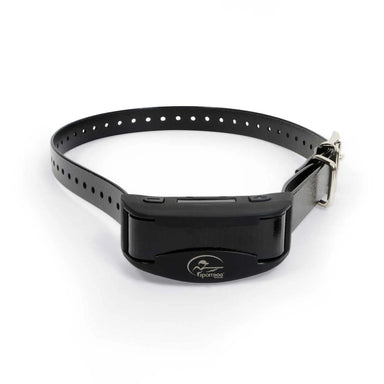
 Sale
Sale
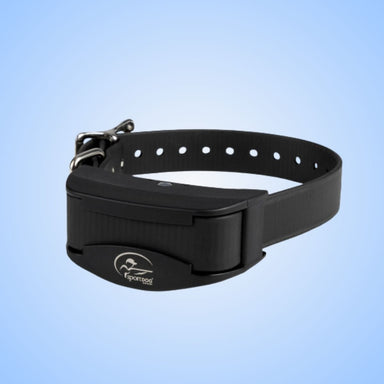
Achieve Effective Bark Control using Advanced Technology with SportDOG No Bark Dog Collar Advanced Bark Detection Technology Introducing the SportD...
View full details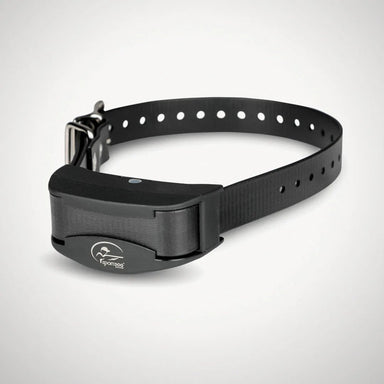
 Sale
Sale
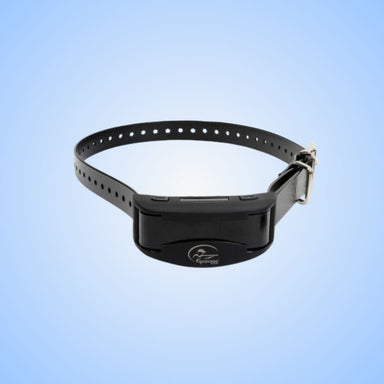
Train Your Dog with Precision Using the SportDOG NoBark Collar Effective and Customizable Training Tired of your dog's excessive barking? The Sport...
View full details
 Sale
Sale

 Sale
Sale

 Sale
Sale

 Sale
Sale
 Sold out
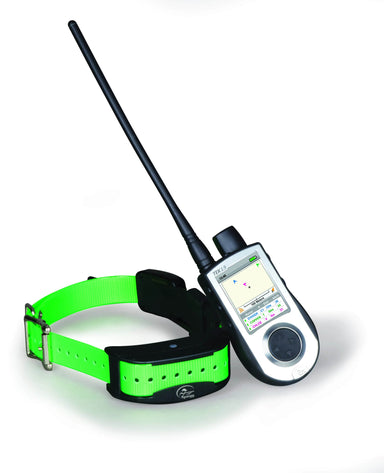
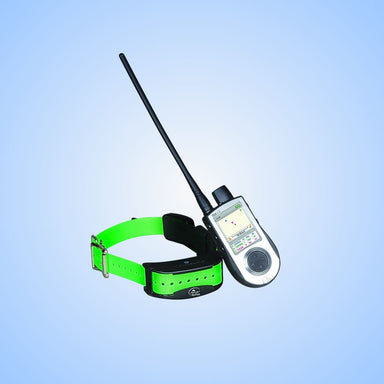
Track, Train, and Bond with SportDOG Tek Series 1.5 GPS and E-Collar Stay in Control with Advanced GPS Tracking Take your dog training to the next ...
View full details
 Sale
Sale
Four things decide which training collar is right: the job you're training for, the range you need, the type of stimulation, and your dog's size.
| Training for | Look for | Examples | Shop |
|---|---|---|---|
| Everyday obedience and puppies | 1/4 to 1/2 mile range, fine low levels, tone and vibration | E-Collar Technologies Mini Educator ET-300, Dogtra CUE and 280X, SportDOG YardTrainer | E-Collar Technologies |
| Hunting and field work | 3/4 to 1.5 mile range, waterproof, beeper or two-dog options | Dogtra EDGE and 2700T&B, SportDOG SportHunter | Waterproof collars |
| Tracking and training | GPS tracking with a built-in e-collar | Dogtra Pathfinder2, SportDOG TEK Series | GPS collars |
| Nuisance barking | Automatic bark collar sized to your dog | Dogtra YS series, SportDOG NoBark, PetSafe bark collars | Bark collars |
| No static at all | Vibration or tone only, or spray | E-Collar Technologies PG-300 pager, PetSafe spray trainers | Vibration collars |
A backyard or neighborhood walk rarely needs more than 1/4 to 1/2 mile. Parks and open fields call for 3/4 mile or more, and bird dogs and hounds working cover often need 1 mile and up or GPS. Listed ranges are open-ground maximums, so trees, hills and buildings shorten them.
Most remote collars combine tone (a beep), vibration and static stimulation with many adjustable levels. Start at the lowest level your dog notices and pair it with praise and rewards. If you'd rather avoid static, choose a vibration-only pager or a spray collar.
The contact points must touch the skin, so the strap should be snug enough to fit only a finger or two underneath. Small dogs need a compact receiver, such as the E-Collar Technologies Micro Educator, the Dogtra YS300 for small and medium dogs, or PetSafe's Little Dog spray collar. Check each collar's minimum dog weight, follow the manufacturer's wear-time guidance and move the collar every few hours.
Two-dog systems control both collars from one remote. Many single-dog systems are expandable, so you can add a second collar later with an add-a-dog receiver from our receivers and parts collection.
Modern remote collars use tone, vibration and finely adjustable static levels, and most dogs respond to the low end of the range. Used at the lowest level your dog notices, alongside praise and rewards, they work as a communication tool rather than punishment. If you're new to e-collars, a session with a professional trainer is a good start.
Most trainers suggest waiting until a puppy is around six months old and already knows basic commands such as sit and come. Every collar also lists a minimum dog weight, so check it, and choose a compact receiver for small breeds.
For a yard or neighborhood, 1/4 to 1/2 mile is plenty. For parks and open fields, look at 3/4 mile or more. Hunting dogs working cover often need 1 mile and up, or a GPS collar that tracks up to 9 miles.
Vibration is a buzz the dog feels, like a phone on silent, with no electrical stimulation. Static is a mild, adjustable electrical stimulation. Many dogs respond to vibration or tone alone; if yours does, a vibration collar may be all you need.
Yes. Choose a two-dog system, such as the Dogtra 2702T&B or the E-Collar Technologies ET-302, or an expandable single-dog system and add a second receiver later.
Many are, including most Dogtra, SportDOG and E-Collar Technologies hunting and field models, which suits dock diving, retrieving and wet weather. See our waterproof dog collars and check each product's rating.
A bark collar works automatically, correcting barking whether or not you're home. A remote training collar is controlled by you and teaches commands such as come, stay and quiet. For barking only, start with a bark collar; for overall obedience, choose a remote trainer.
Still have a question? Text a pro at 737-215-3211 or send us a message.